Don’t get a puppy in Winter.
A friend
With my eldest cat, Piccolo gone, after 21 epic cat-boss years, I sensed an opening for a dog. I started to mention it to some friends. “Do not,” one experienced friend advised, “get a puppy in winter. You don’t want to have to take them out in the freezing cold when they have to pee in the middle of the night.” That made sense to me. But “makes sense” and “want a puppy” don’t always match up.

I may have stacked the cards against myself by browsing on Petfinder in early Fall. There is an intro page, after you tell Petfinder your zip code, that says simply, “I want to adopt a :…” and you can click on “cat” or “dog”. Once you’ve made your choice, up pop the pictures. So what was I supposed to do – not look? Not click “dog”? Just because almost winter?
Many photos, applications and inquiries later, I adopted a 10-week-old mutt in early November, 2016. I read what I could about how to raise a healthy puppy, trying to stay just ahead of his destructive tendencies. For some reason, the how-tos don’t talk much about weather, as relates to your new buddy. Where I live, in Berkshire County, Massachusetts, we get weather. That fall and winter of 2016 were particularly snowy.
The wisdom on potty training: “Show your puppy where you want him to do his business outside, and praise him when he goes there.” And “Be consistent, so that he knows what you expect when you bring him to that area.” Under the “Teething” heading, there was “Your puppy will be looking for things to chew during his teething phase. Try to provide him with healthy chewing options to satisfy his cravings.” And also to save your shoes – that part, they leave out.
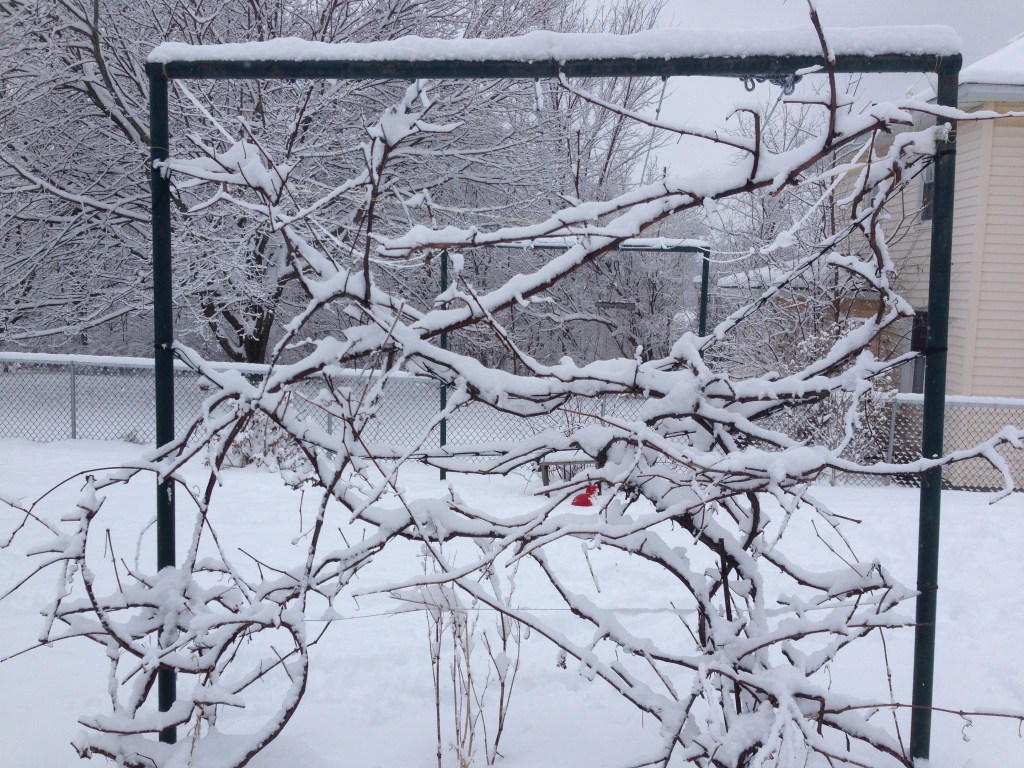
A couple of years earlier, I had planted a butterfly bush in my front yard. Each Spring, it grew new shoots from its base, which later flowered into beautiful, deep purple blooms that the butterflies loved to flit around. At its peak, the butterfly bush was over 6′ tall, and about 6′ across. A nice stopover for birds and insects, right in front of my dining area window. In winter, the old growth became dry sticks. Once young Gogo found out there was an abundant supply of sticks, anchored right there near our front steps, he was full of joy and purpose.
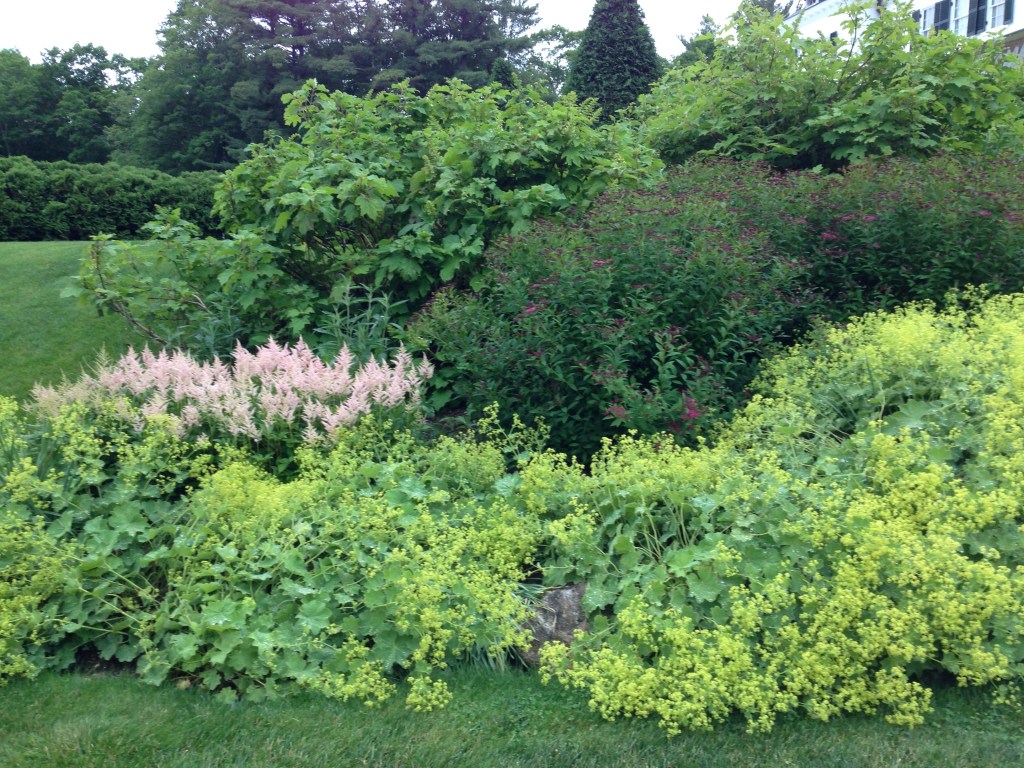
That snowy season, the butterfly bush became the convenient place to pee, AND the place to harvest teething materials. Sometimes, I even harvested a stick from the bush, and brought it indoors for him. What the heck, I figured – it’s better than watching him try to taste all the furniture. And new branches will grow back in, in the Spring.
In the puppy’s first Winter, the rugs took a beating, the furniture did fine, I adapted to a disrupted sleep schedule, and the puppy thrived. By six months, he was almost fully potty trained. His teeth gleamed. Spring arrived on schedule. The butterfly bush…did not re-emerge. It remained a brown cluster of sticks. “Maybe…it’s just getting a late start,” I told myself.
I waited. I taught Gogo to pee other places. We kept harvesting sticks from the butterfly bush, though. Maybe that would wake it up? By summer, when everything else was green, I had to accept that we had killed the bush. It’s a hardy, non-native shrub in northeastern North America. Hardy, in normal conditions. But here’s a little detail you won’t find in Wikipedia: How much urine does it take to kill a butterfly bush? About one large puppy-winter’s worth.
Another fun fertilizer fact, for you lawn-and-garden fans out there: pee is full of nitrogen. In limited amounts, grass and other plants LOVE nitrogen. I’ve noticed this during summer months, when trying to put off mowing as long as possible. Most of the lawn stays at an even length after mowing. Then the dandelions, out of spite, will extend a full 2 inches taller than their surroundings, within a day or two. Normal.
Once a week goes by, though, it’s very noticeable that surrounding every Favored Pee Spot grows a ring of lush grass, an inch or three taller than everything around it. In the center of the Favored Pee Spot is a low, dead, brown bullseye. That’s what gives it away as a Favored Pee spot (by this time, Gogo is allowed to go out and pee on his own, so I don’t always witness where he goes).
My understanding, from experience and anecdotal stories from friends, is that girl dog pee is more damaging to lawns than boy dog pee. Boy dogs like to share their bounty, and mark as much territory as is caninely possible. So their ammonia-laden potion gets spread around. Girl dogs just squat ‘n’ go, not trying to prove anything other than how good it feels to have an empty bladder.
Around here, the grass is forgiving, the rain tends to be plentiful, and the lawn always rebounds — even the bullseyes. If I get to do it all over again with another puppy, male or female, I’ll teach the little critter to pee on my open-air compost pile, and really put that extra nitrogen to good use. They can pee on the shrubs, too. Just not always the same one.

 Puppies are Jerks